
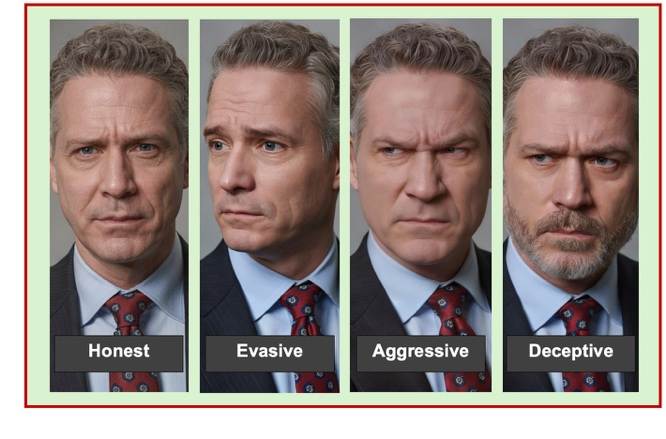
In the world of collections, no two debtors are exactly alike, yet almost every past-due customer falls into one of four recognizable categories. Understanding these personalities not only helps credit professionals craft the right approach, but also saves time, reduces frustration, and improves the odds of getting paid. Whether you’ve been in the industry for six months or thirty years, you’ve undoubtedly met each of these characters at least once.
1. The Honest Debtor
Honest debtors are every credit manager’s dream. They call before a payment problem arises, explain the situation clearly, and work with you to find a solution. They don’t dodge calls; in fact, they often apologize for the delay and express a genuine desire to make things right. These customers typically have temporary cash-flow issues, unexpected operational setbacks, or delays in receiving their own receivables. With honest debtors, the key is collaboration:
- They respond quickly
- They keep commitments
- They appreciate professionalism
- They often become long-term loyal customers
2. The Evasive Debtor
This is the debtor who suddenly becomes harder to reach than a celebrity on vacation. They don’t answer the phone, emails bounce, and messages disappear into a black hole. When you finally connect, the story is vague, incomplete, or constantly changing. The evasive debtor doesn’t necessarily intend harm, they simply hope that if they remain silent long enough, the problem will magically resolve itself. Common behaviors include:
- Ignoring voicemail and email
- Requesting the same invoices they already received
- Promising to “check with accounting” forever
- Conveniently unavailable during business hours
3. The Aggressive Debtor
These debtors treat the collection call like a battlefield. They raise their voice, project frustration, and insist the payment delay is your fault by criticizing your billing process, your product, your timing, your policies. Their goal is to intimidate you into backing off or granting more time. With aggressive debtors, staying calm and sticking to the facts is essential. You may hear delayed excuses like:
- “Your invoice was wrong!”
- “The product had defects!”
- “Your team messed this up!”
4. The Deceptive Debtor
This one is the most dangerous. From the start, they had little or no intention of paying. They place orders quickly, avoid providing detailed information, and become hard to contact the moment payment is due. Eventually the signs become clear: disconnected numbers, returned mail, and a business that seems to have evaporated overnight. Red flags include:
- Rapid orders with minimal history
- Overly vague references
- Partial payments meant to buy time
- Sudden corporate silence
Understanding these four debtor types allows credit professionals to respond with the right mix of firmness, strategy, and patience. In the end, collecting isn’t just about recovering money, it’s about reading people, anticipating behavior, and staying one step ahead.
Your thoughts and comments (nseiverd@cmiweb.com) are most welcome!
Nancy Seiverd, President
CMI Credit Mediators, Inc.
All Rights Reserved
Image by freepik.com
