
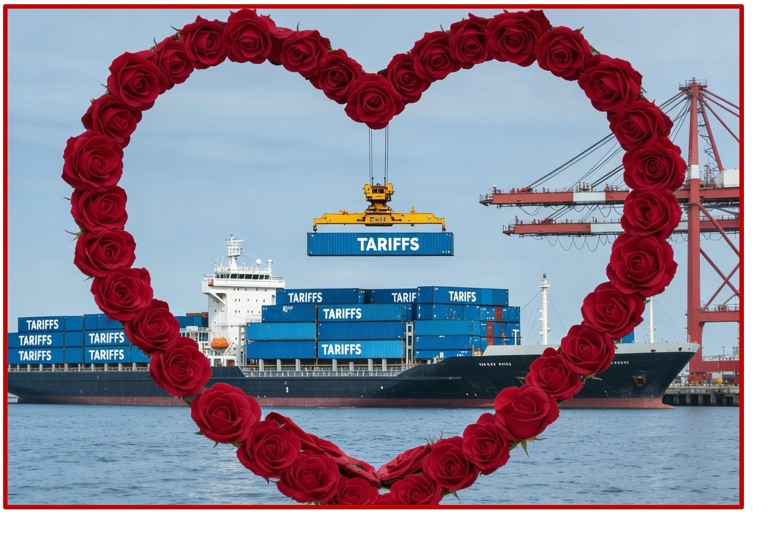
Valentine’s Day is usually associated with romance, roses, wine, and chocolate. But this year, something far less sweet is lurking behind the heart-shaped boxes on store shelves. Tariffs on imported goods which include cocoa, sugar, and packaging materials, are pushing costs higher and higher. That price pressure doesn’t stop at the checkout counter. It inevitably finds its way into your customers’ payment behavior. Simply put, when customer payments are down, your cash flow is too.
Chocolate is a perfect example. In the U.S., cocoa beans are almost entirely imported, and when tariffs, trade tensions, or logistics disruptions hit, costs rise quickly. To remain competitive, manufacturers and distributors often initially absorb these increases. But as profit margins continue to tighten, something has to give. Increasingly, credit and collection professionals are seeing customers respond in familiar ways:
- Customers citing “temporary cost increases” as justification for delayed payment
- Partial payments becoming more frequent
- Increased disputes over freight, fuel, or miscellaneous surcharges
- Requests to stretch terms while order volumes remain unchanged
- Customers blaming external forces while avoiding firm commitment dates
None of these warning signs alone indicate serious trouble. But taken together, they paint a clear picture of customers quietly shifting financial pressure downstream, from their balance sheets to yours.
What makes tariff-driven slow pay especially challenging is that it often affects otherwise reliable customers. These are not companies in crisis; they are companies recalibrating. That distinction matters, because it can tempt suppliers to relax credit discipline in the name of maintaining relationships. Unfortunately, Valentine’s goodwill doesn’t pay invoices. When higher costs persist, delayed payments can quickly become normalized behavior if left unaddressed.
For credit and collection professionals, February serves as an early reminder that external pressures do not eliminate internal responsibility. Staying proactive, reaffirming terms, monitoring aging trends closely, and addressing delays early, can prevent short-term seasonal strain from turning into long-term cash-flow damage. Roses may be red and tariffs may be blue, but disciplined credit management is what keeps your balance sheet healthy all year through!
Your thoughts and comments (nseiverd@cmiweb.com) are most welcome!
Nancy Seiverd, President
CMI Credit Mediators, Inc.
All Rights Reserved
Image by freepik.com
